Antibiotics
Page last reviewed: 12 January 2026
Page created: 12 January 2026
Page created: 12 January 2026
We've put some small files called cookies on your device to make our site work.
We would also like to use google translate cookies and analytical cookies to understand how our site is used and improve user experience. Analytical cookies send information to Google Analytics.
Let us know your preference. We will use a cookie to save your choice. Before you make your choice you can read more about our cookie policy.
You can change your cookie settings at any time using our cookie policy.
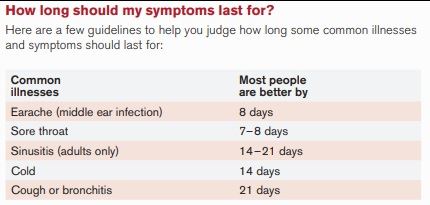
Both the NHS and health organisations across the world are trying to reduce the use of antibiotics, especially for health problems that are not serious. For example, antibiotics are no longer routinely used to treat: The overuse of antibiotics in recent years means they're becoming less effective and has led to the emergence of "superbugs". These are strains of bacteria that have developed resistance to many different types of antibiotics, including: These types of infections can be serious and challenging to treat, and are becoming an increasing cause of disability and death across the world. The biggest worry is that new strains of bacteria may emerge that cannot be treated by any existing antibiotics. Some infections will resolves on their own which means you avoid taking antibiotics when you dont need to. This means that your chances of experiencing anti-microbial resistance reduces. Please the table below for guidelines of how long specific infections may take to resolves on their own:
Antibiotic resistance and 'superbugs'
FOR FURTHER INFORMATION ON DIFFERENT TYPES OF INFECTIONS, PLEASE CLICK ON THE RELEVANT PAGE BELOW: